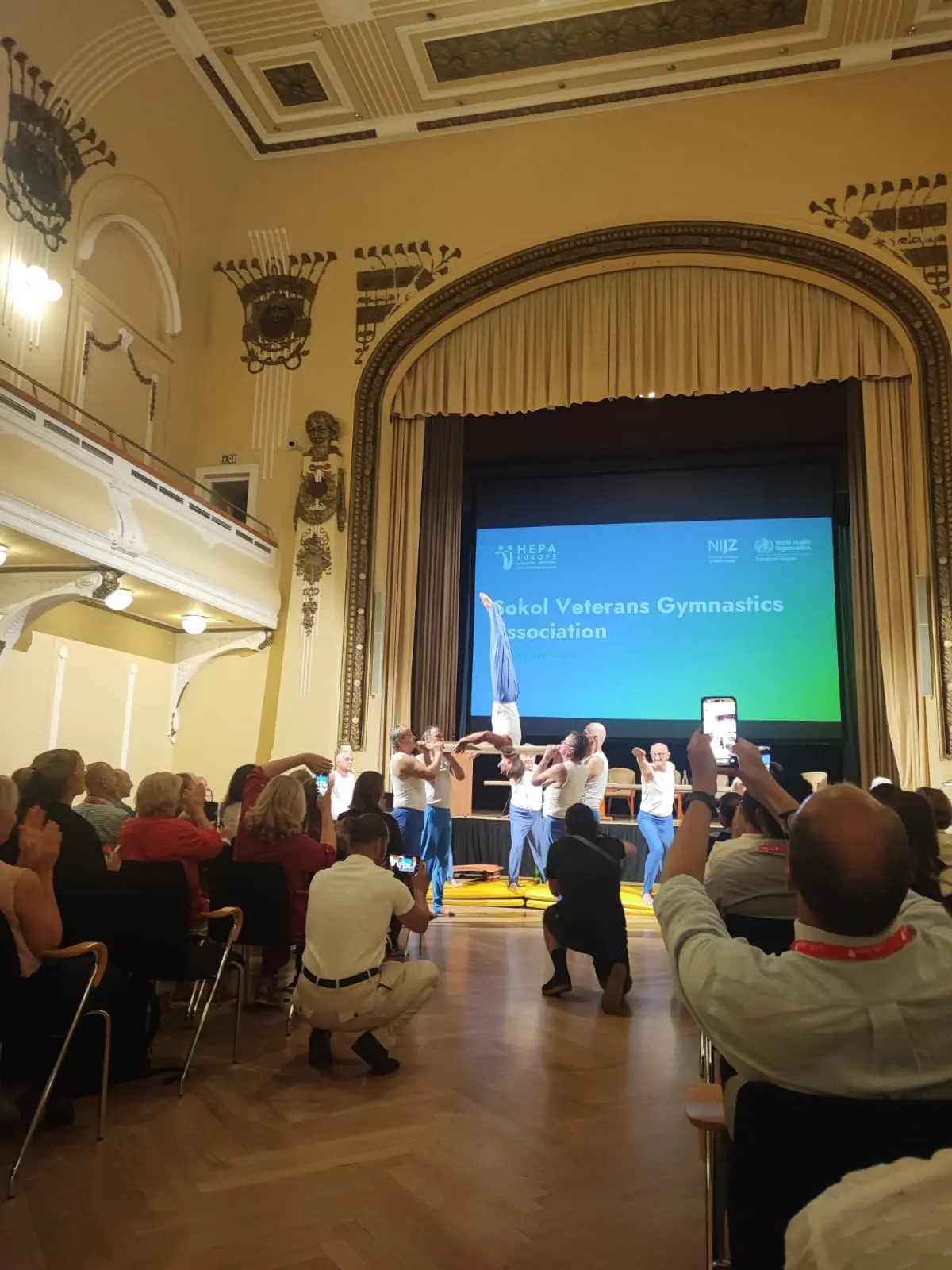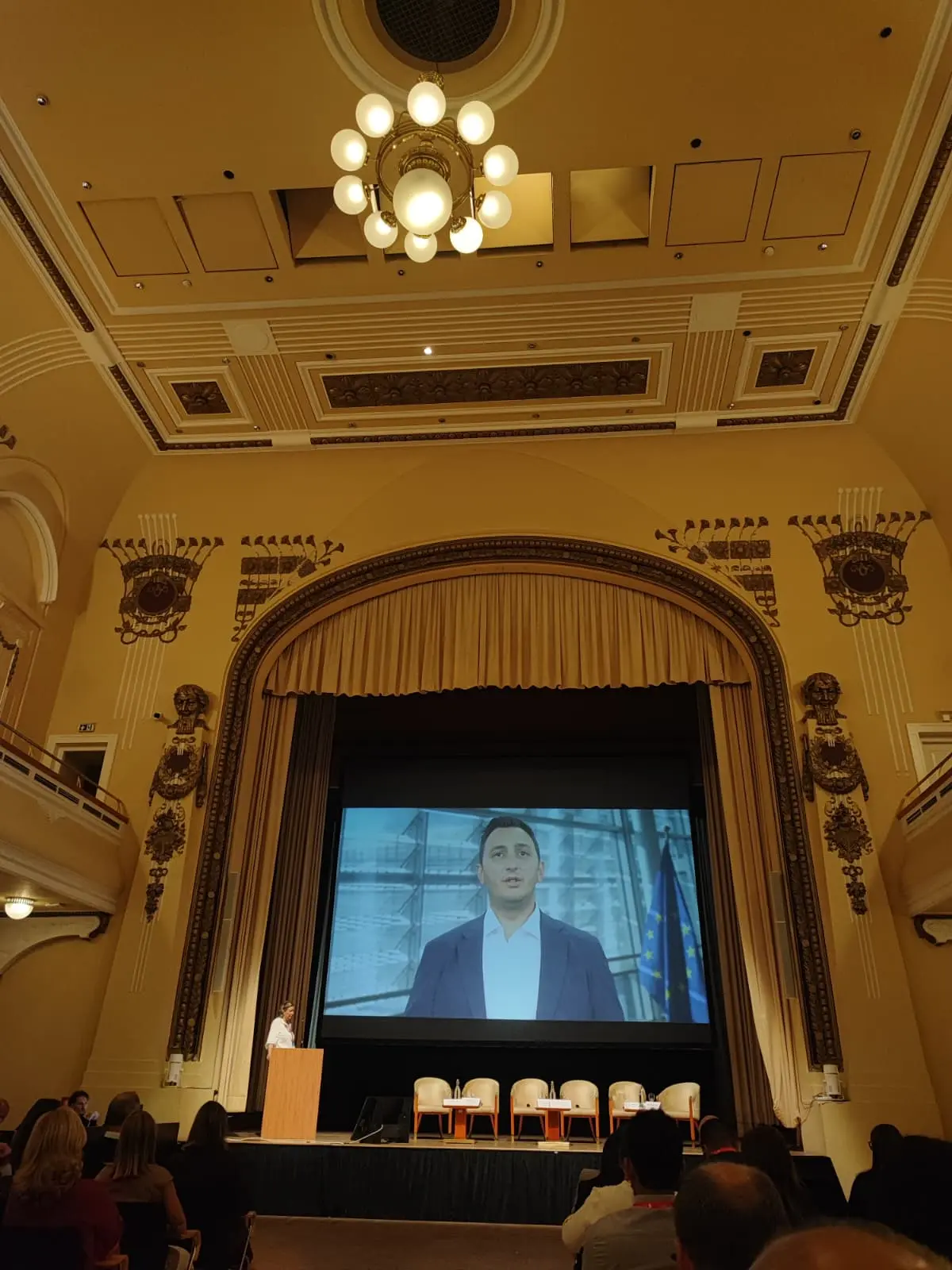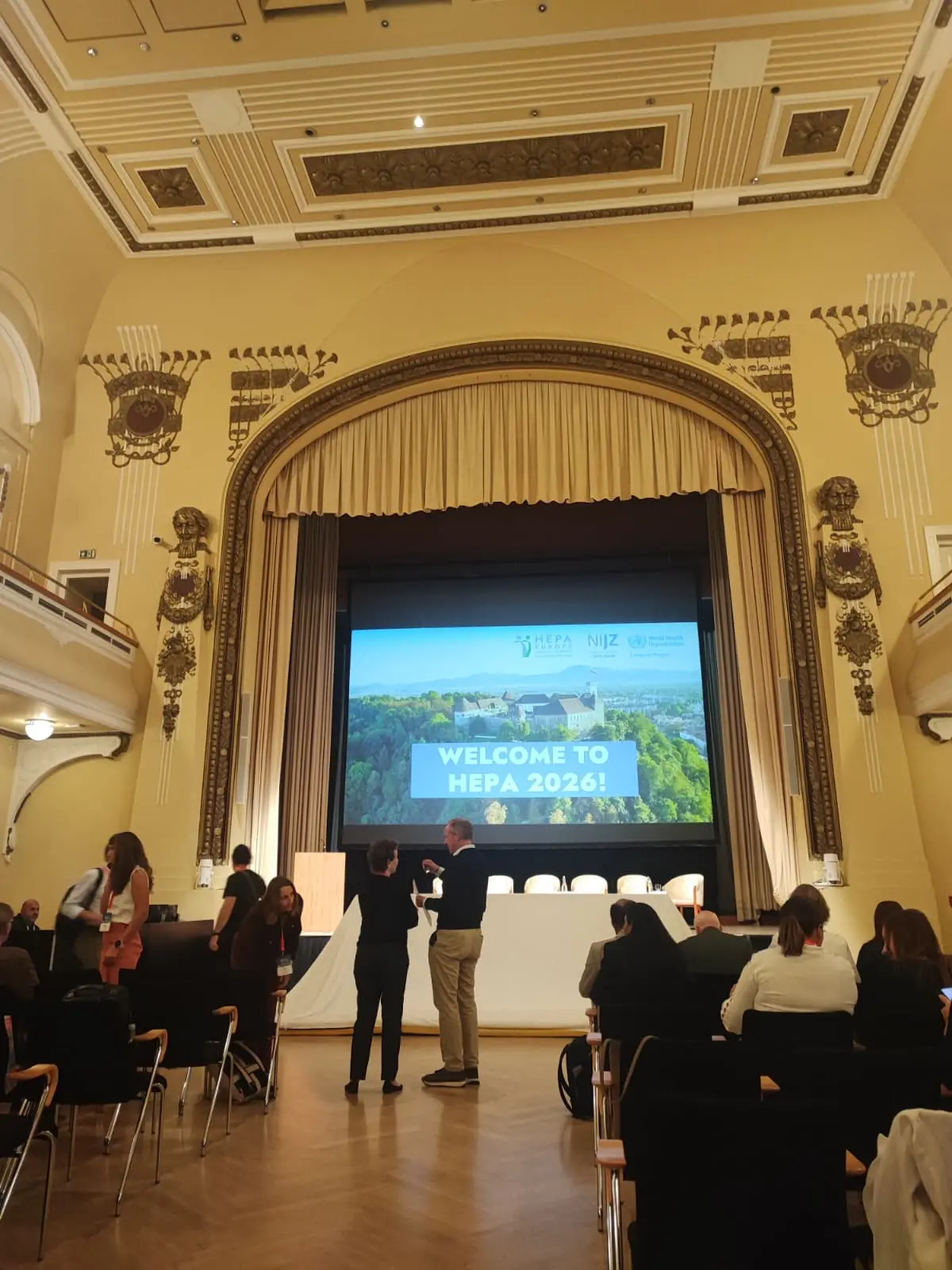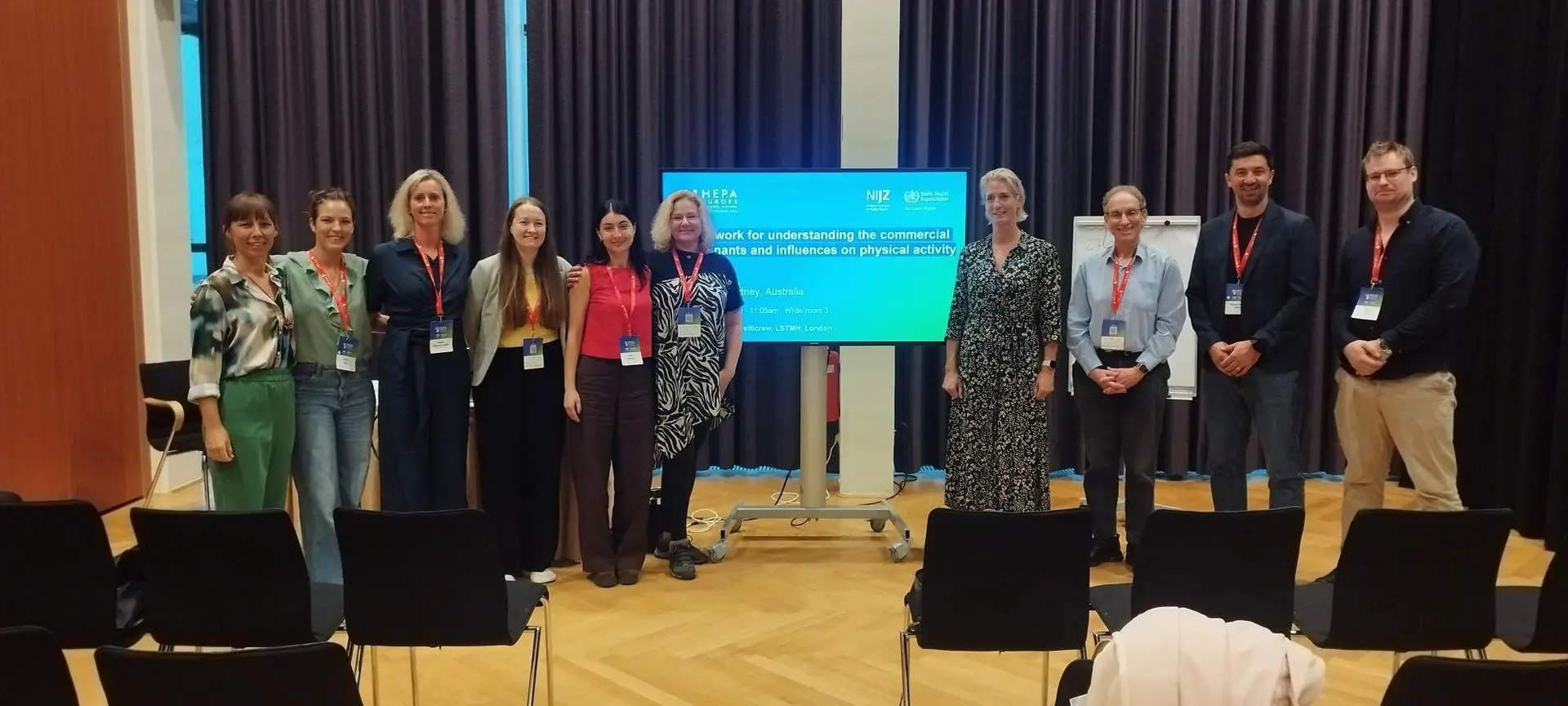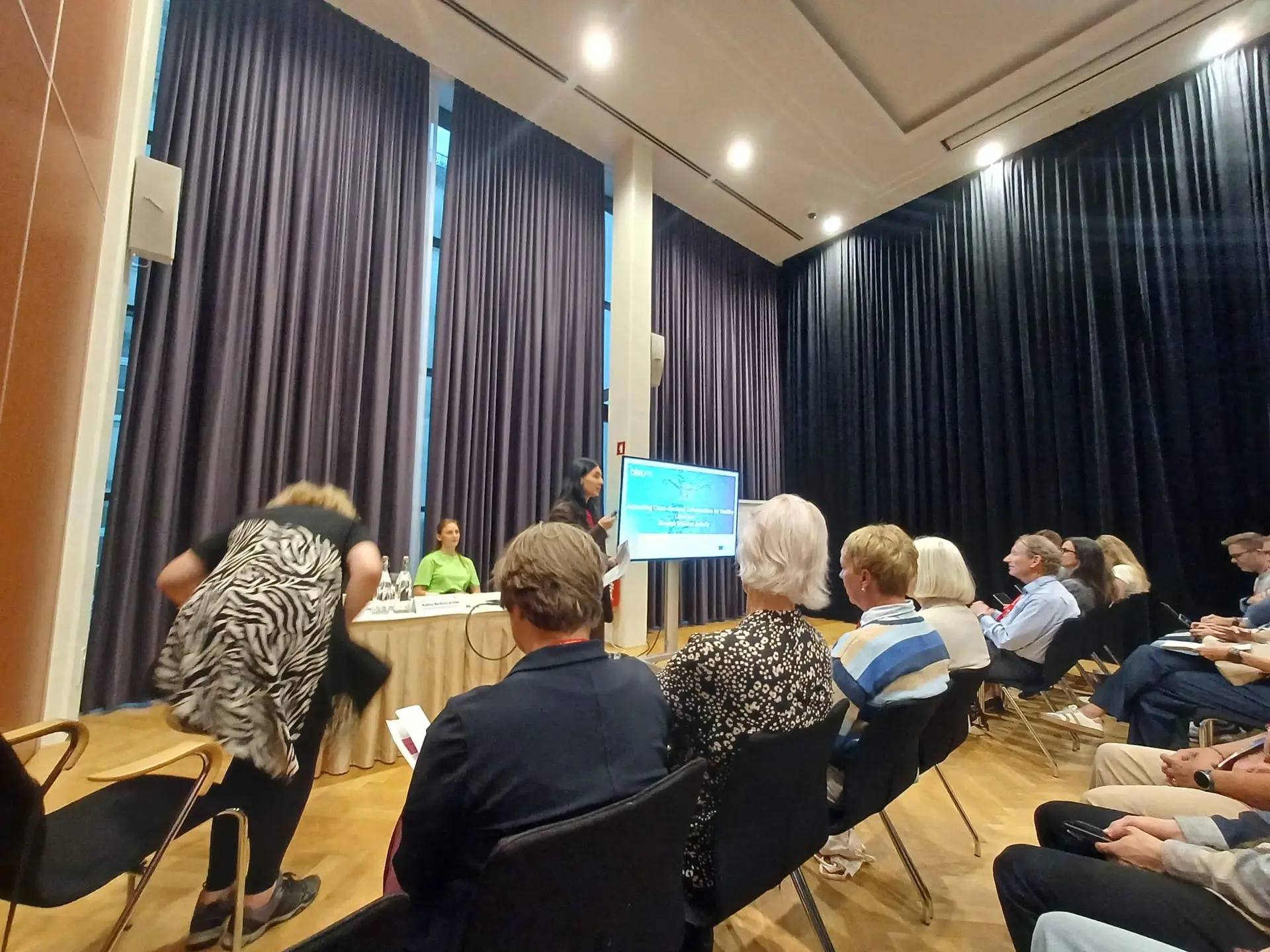
This year’s 17th HEPA Europe Conference took place in Ljubljana, Slovenia. The event brought together more than 450 stakeholders from across health, physical activity, research and urban planning to put the spotlight on the role of physical activity and supportive environments in promoting health and tackling non-communicable diseases (NCDs). EuropeActive was delighted to participate in the conference, which focused on the theme of green spaces and 24-hour movement behaviours and their contribution to healthier communities.
HEPA Europe, a WHO/Europe network, provides a forum for advancing health-enhancing physical activity (HEPA) research, policy and practice for better health and well-being across the WHO European Region. This year’s discussions explored how green spaces can encourage physical activity, reduce sedentary behaviour and support mental well-being, while also contributing to healthier sleep. The conference emphasised the importance of taking a holistic approach to movement behaviours and creating environments that make active lifestyles accessible to all.
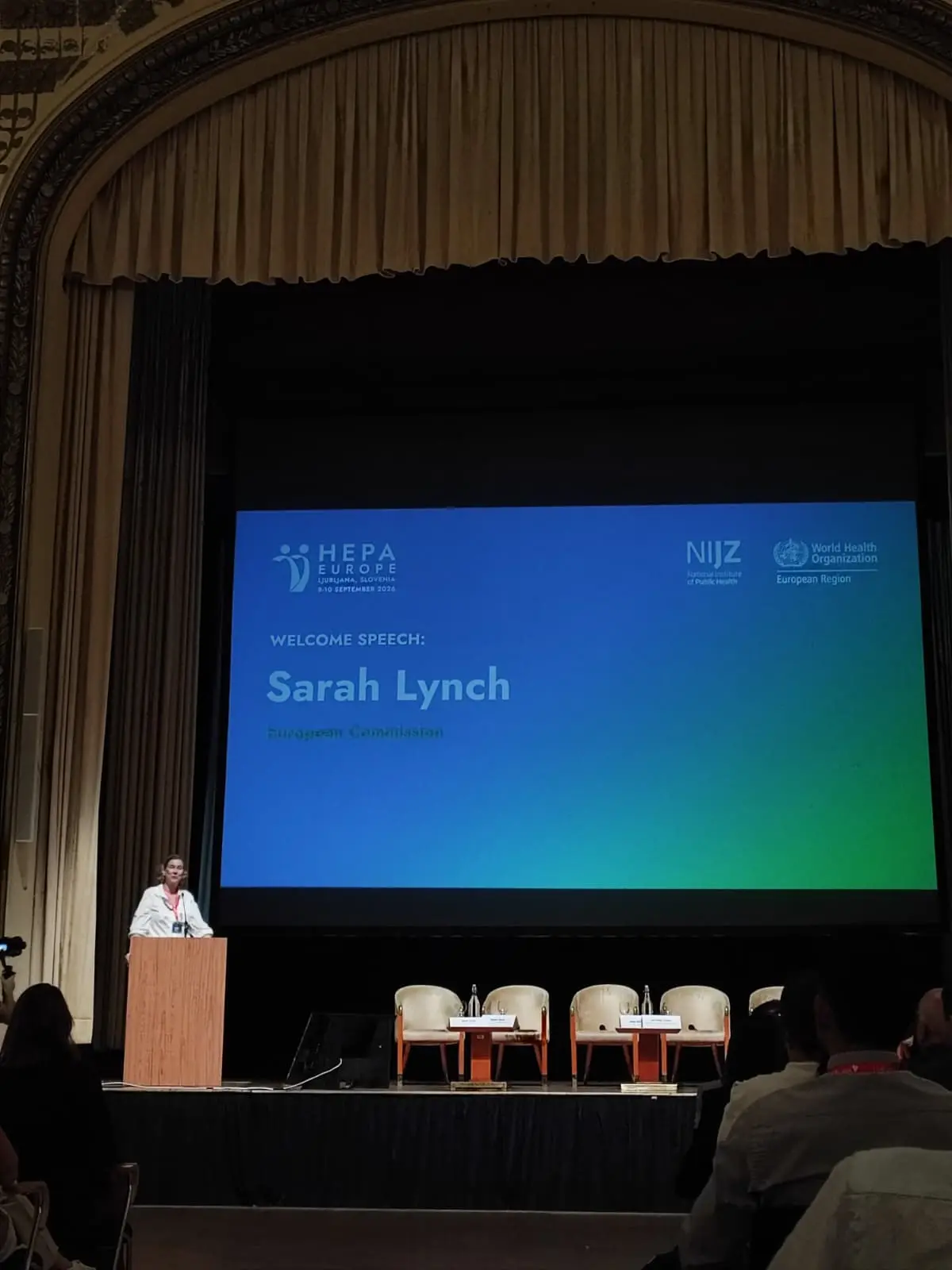
An important EU policy update was provided by Sarah Lynch (DG Sport, European Commission), who highlighted several upcoming developments. The European Commission’s 2026 Eurobarometer on Sport and Physical Activity will provide updated data on physical activity levels across different population groups. Preliminary findings indicate a small increase in activity levels across the EU. Ms. Lynch also highlighted the forthcoming Strategy on the Future of EU Sport Policy, expected by the end of 2026, and the revised Council Recommendation on HEPA, expected in the first half of 2027. Together, these upcoming policy developments are expected to give greater prominence to grassroots sport and physical activity, alongside - and beyond - the traditional focus on organised and elite sport. The broad range of new indicators in the Council Recommendation on HEPA also signals the importance of cross-sectoral collaboration, recognising that increasing physical activity requires action across health, education, workplaces, urban planning, sport, and other policy areas.
The role of physical activity in the context of GLP-1 medications was another key topic. Dr. Kremlin Wickramasinghe (Division of Noncommunicable Diseases and Health Promotion, WHO/Europe) stressed that physical activity must remain central to conversations around obesity and health. He highlighted concerns around the loss of muscle mass during GLP-1 treatment and the importance of maintaining physical activity as part of a broader, long-term approach to health.
EuropeActive actively contributed to the programme, with the presentation of their Erasmus+ project Healthy Lifestyles for Europe during a session on “Shaping Physical Activity through Policy, Systems and Cross-Sector Collaboration.” EuropeActive also participated in the HEPA Europe Working Group on Active Ageing, bringing the perspective of the fitness and physical activity sector into discussions with stakeholders from research, policy, and practice.
Being part of this forum is important for ensuring that the fitness and physical activity sector has a voice in European public health discussions. Through active participation and contributions, EuropeActive is helping to ensure that the sector’s expertise, experience, and potential contribution to healthier, more active populations are recognised in the wider public health agenda.
The conference concluded with awards celebrating achievements in physical activity research, policy, and practice, before the baton was passed to next year’s host. The 2027 HEPA Europe Conference will take place in Lleida, Catalonia, Spain, from 6-8 October.